Mornington Crescent removals and parking permit advice
Moving in Mornington Crescent can feel deceptively simple until the van arrives, the street is tighter than expected, and suddenly you are trying to work out whether you can stop long enough to unload a sofa without upsetting half the road. That is exactly why Mornington Crescent removals and parking permit advice matters. A good move here is not just about lifting boxes; it is about planning access, timing, loading space, and the little parking details that can make the whole day smoother or turn it into a slow, frustrating shuffle.
In this guide, we will walk through the practical side of moving in and around Mornington Crescent, including permit planning, loading bay considerations, van access, common mistakes, and the best way to prepare so your move stays calm. If you are comparing moving help, it may also be useful to look at the wider range of man and van options, or review the broader removals service page if you need a more full-service solution.
To be fair, most moving stress comes from things people only discover on the day. A missed parking restriction, a narrow road, a neighbour's car blocking a workable space, or a permit that was assumed rather than checked. Small stuff, yes. But small stuff can cost time, and time is the thing you rarely have much of on moving day.
- Why Mornington Crescent removals and parking permit advice matters
- How the parking and access process works
- Key benefits and practical advantages
- Who this is for and when it makes sense
- Step-by-step guidance
- Expert tips for better results
- Common mistakes to avoid
- Tools, resources and recommendations
- Law, compliance, standards and best practice
- Options and comparison table
- Case study or real-world example
- Practical checklist
- Conclusion
- Frequently asked questions
Why Mornington Crescent removals and parking permit advice Matters
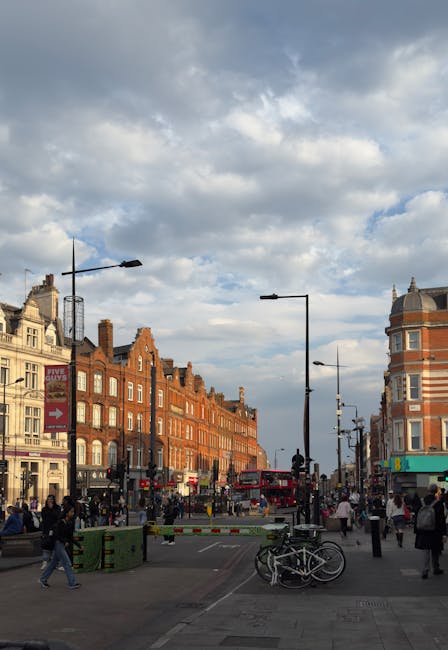
Mornington Crescent sits in a part of London where parking is often more delicate than people expect. Even if the actual move is straightforward, the access around the property may not be. Residential streets, busy main-road traffic, controlled parking zones, and limited stopping space can all affect how quickly a removal van can load or unload.
Good advice matters because removals are rarely just "arrive, load, leave." There is usually some combination of stairs, awkward entry points, timed access, shared courtyards, or a van that needs to stop as close as possible to the front door. If the vehicle has to park several houses away, every item takes longer to move. And if the driver cannot legally stop where you hoped, the plan can unravel very quickly.
In our experience, the people who prepare well tend to have a far calmer day. They know whether they need a permit, whether the van will fit, whether the road is busy at school-run time, and whether they should ask for extra help for heavier furniture. That might sound obvious, but it is exactly the sort of preparation that turns a messy move into a controlled one.
Expert summary: in Mornington Crescent, the smartest moving plan is usually the one that treats parking as part of the move, not an afterthought. If access is tight, plan it early, confirm it again, and leave yourself a little breathing room.
How Mornington Crescent removals and parking permit advice Works
The process is usually simpler than people fear, but it does need a bit of structure. First, you work out where the vehicle can legally stop. Then you check whether the space is unrestricted, metered, shared, suspended, or subject to a bay reservation or permit requirement. After that, you plan the timing so the van arrives when the space is most likely to be usable.
For some moves, the answer is straightforward: park nearby, load quickly, and go. For others, especially where road access is constrained, you may need a formal parking arrangement, a resident or visitor permit, or advice on whether the vehicle can use a loading area. The exact rules depend on the street and the managing authority, so the key is not guessing. It is checking in advance.
Most removal teams will want to know three things before the job starts:
- How far the vehicle can get to the property
- Whether there are parking restrictions or permit requirements
- Whether the move needs extra time because of stairs, bulky items, or a long carry distance
If you need a smaller, more flexible setup, a removal van can work well for compact moves, while larger properties or office relocations may suit a moving truck or a broader team of movers. The trick is matching the vehicle and crew size to the road conditions, not just the volume of belongings.
There is also a practical timing angle. Early morning can sometimes be kinder for parking and less disruptive for neighbours, but rush-hour traffic or school traffic nearby may work against you. Late morning may offer a clearer window, though spaces can be busier. It is a bit of a balancing act, frankly.
Key Benefits and Practical Advantages
When parking is planned properly, the benefits are immediate. The move tends to start on time, the crew spends less effort carrying items, and the whole day feels less rushed. That matters more than people think, especially if you are moving from or into a flat where every minute at the kerbside counts.
Here are the most useful advantages:
- Less waiting around: if the van can park legally close to the property, loading and unloading become much faster.
- Lower risk of damage: shorter carrying distances mean fewer chances to knock walls, chip furniture, or strain yourself.
- Fewer fines and disputes: proper permit planning helps you avoid awkward interruptions or penalty charges.
- Better scheduling: if the vehicle can stop where intended, the moving crew can stick to the plan more easily.
- Less stress overall: and honestly, that is worth a lot on moving day.
There is a wider service benefit too. If you are comparing a local move with something a little larger, services such as home moves or house removals can be more suitable than a basic lift-and-shift option. For some homes, a blended approach works best: parking sorted, van positioned well, and packing support where needed.
One little thing people overlook is neighbour goodwill. If the van arrives prepared and leaves the street clear as quickly as possible, you are much less likely to deal with complaints or awkward conversations. That may sound soft, but in a dense London street, it matters. A lot.
Who This Is For and When It Makes Sense
This advice is useful for anyone moving in Mornington Crescent, but it is especially valuable if you are in one of these situations:
- Moving from a flat with limited front-door access
- Moving into a street with permit-controlled or bay-restricted parking
- Running a same-day move where timing is tight
- Relocating a home office or small business with valuable equipment
- Transporting bulky furniture, fragile items, or awkward pieces
It also makes sense if you are trying to keep the move cost-efficient. Sometimes the cheapest-looking option is not actually the cheapest once parking problems are added in. A van that has to circle the block, wait for a space, or carry items a long distance can end up taking more labour time. That is where planning saves you money in a quiet, ordinary way.
If you are moving a business, the same logic applies. Office relocations often need firmer timing and cleaner kerbside access than people expect, which is why a dedicated office removals approach or commercial moves support can be a better fit than a casual van hire arrangement. Not always, but often enough to be worth checking.
Truth be told, even experienced movers get caught out by streets like this. The road looks manageable on a quick visit, then the actual moving day arrives and everything is tighter, busier, and somehow more awkward. Funny how that happens.
Step-by-Step Guidance
Here is the practical way to handle a Mornington Crescent move without leaving the parking side to chance.
- Check the street outside both properties. Look at the bays, signs, yellow lines, loading restrictions, and any time-based rules. If the road changes character at different times of day, note that too.
- Measure the loading distance. Don't just ask, "Can the van park nearby?" Ask, "How far is the carry from van to front door?" Ten metres can be manageable; fifty metres with a wardrobe is a different story.
- Confirm whether a permit or dispensation is needed. If you are unsure, do not assume the van can just stop there for free. That assumption is where many headaches begin.
- Choose the right vehicle size. A smaller van may be easier to position in a tight street, while a larger vehicle may reduce the number of trips. Both choices can be right, depending on the property.
- Build the time plan around access, not just packing. If the lift is slow, the stairs are steep, or the parking is uncertain, add breathing room.
- Prepare the property the day before. Clear hallways, label items, reserve lift time if needed, and separate the essentials box. The usual chaos, but controlled.
- Keep the driver updated. If parking changes at the last minute, or a neighbour's vehicle blocks the space, tell the moving team quickly so they can adapt.
A handy rule: if you are wondering whether to over-prepare, probably yes, over-prepare. Not dramatically. Just enough to avoid a day of unnecessary faffing around.
Expert Tips for Better Results
Small improvements make a surprising difference on moving day. Here are the practical tips we would give someone moving in this part of London.
- Book the parking plan before the packing is finished. It sounds backward, but access should be settled before the final move-out rush.
- Use the quietest feasible time window. Early morning can help, but only if the street is actually clear enough to use.
- Take photos of the street and bay signs. This gives you a useful visual record and helps everyone stay on the same page.
- Keep one person free to manage access. Someone who can answer the door, direct the van, or speak to neighbours makes things much smoother.
- Protect the items most likely to suffer in a short carry. Sofas, mirrors, and flat-pack furniture can be awkward in narrow hallways and tight kerbside conditions.
If your move involves a lot of packing, it can also be worth using packing and unpacking services. That is particularly helpful if you are juggling work, children, or just plain exhaustion. Packing while half-organised is one thing; packing while the van is already outside is another.
Another quiet tip: keep a small toolkit, tape, and bin bags near the front door. Sounds minor, but when a shelf needs taking apart or a loose drawer needs securing at the last second, you will be glad it is there.
Common Mistakes to Avoid
Most moving problems are not dramatic. They are avoidable. And usually, they are the same few mistakes repeated again and again.
- Assuming parking will "probably be fine". In Mornington Crescent, "probably" is not a plan.
- Forgetting that restrictions can vary by time of day. A space that is fine in the morning might be unusable later.
- Booking a vehicle that is too large for the access. Bigger is not always better if the street is tight.
- Underestimating how long loading takes. Stairs, narrow corridors, and awkward furniture all add time.
- Leaving permit checks until the day before. That can be a stressful scramble, and sometimes it is too late to fix cleanly.
- Not warning the removal team about obstacles. Shared entrances, access codes, and parking quirks are useful to know early.
One of the more common issues is treating the van as if it can just pause anywhere for a few minutes. In reality, the driver may have to comply with local parking rules, loading restrictions, or permit conditions. A quick, legal stop is one thing. An assumed stop is another.
If you want to reduce the risk of mistakes, use a proper removal company rather than piecing everything together at the last minute. There is a reason experienced teams ask a lot of questions before a quote. They are not being nosy. They are trying to avoid the exact problems this section is warning about.
Tools, Resources and Recommendations
You do not need a pile of complicated tools to plan a sensible move. You just need the right information, checked at the right time.
Useful things to have ready include:
- A written inventory of your items
- Photos of the property frontage and access route
- Times when parking is usually easiest or hardest
- Measurements for any large furniture or appliances
- Contact details for the moving team on the day
If you are comparing moving support, the following internal pages may be useful depending on the scale of your move: man with van for smaller and more flexible jobs, moving van for a slightly broader vehicle setup, and removals near me when you want a local, practical starting point.
For customers moving special items, a more tailored option may be sensible. A single heavy piece may call for furniture pick up, while more complex household work can be better handled through house movers or house removalists. The right match matters. Always.
And yes, if you are wondering whether a quick phone call can save an hour of confusion later, the answer is usually yes. Often more than an hour.
Law, Compliance, Standards, or Best Practice
Parking and removal work are shaped by local rules, road restrictions, and general transport and safety expectations. The exact parking permissions in Mornington Crescent may depend on the street, the bay type, and the time of day, so it is wise to treat the local signage and permit terms as the controlling guide rather than relying on memory or guesswork.
From a best-practice point of view, there are a few clear principles:
- Do not stop where you are not allowed to stop. Even a short loading window can still be subject to rules.
- Plan around pedestrian safety. Keep entrances clear where possible and avoid creating unnecessary obstructions.
- Use sensible manual handling practices. Heavy lifting, awkward turns, and narrow hallways are where injuries and damage often happen.
- Make insurance and responsibility clear. If items are being handled by a professional team, it helps to understand what is covered and what is not.
It is also sensible to use providers who explain their approach clearly. Pages like insurance and safety and health and safety policy are useful because they show the practical side of responsible moving, not just the sales side.
If you are comparing quotes, make sure the parking assumption is part of the conversation. A low quote that assumes easy roadside access may not be comparable with a quote that includes a more realistic time allowance. That is a common trap, and it is a bit sneaky, really.
Options, Methods, or Comparison Table
Different moving setups suit different streets, budgets, and property types. Here is a simple comparison to help you think it through.
| Option | Best for | Parking impact | Typical trade-off |
|---|---|---|---|
| Man and van | Smaller home moves, student moves, compact loads | Usually easier to position in tighter streets | May need more trips if the load is large |
| Moving van | Medium-sized domestic moves | Balanced size for access and capacity | Needs careful timing in permit-controlled areas |
| Moving truck | Larger homes or bulkier loads | Can be harder to park close to the property | Fewer trips, but access planning matters more |
| Full removal service | Complex moves, family homes, offices, fragile items | Can manage access planning more thoroughly | Usually the most structured option |
In practice, the best option is the one that suits the street as much as the furniture. If you are in a narrow road and moving a modest load, a smaller vehicle may be the better call. If you have several rooms' worth of belongings and a bit more space to work with, a larger setup can save time.
Case Study or Real-World Example
Here is a realistic example from the kind of move people often do in this area. A tenant in a second-floor flat near Mornington Crescent needed to move out on a weekday morning. The property had a front-facing entrance, but roadside parking was tight, and the street was busy enough that a "just turn up and see" plan would have been risky.
Instead, the move was planned around an early arrival window. The team checked the frontage in advance, kept the load list focused, and used a van size that could get into position more easily. The client also prepared the hall, labelled fragile boxes clearly, and kept the key items together so the unloading sequence was efficient. Nothing dramatic happened. Which, on moving day, is exactly what you want.
The difference was not magic. It was preparation. The lift time was shorter than expected, the vehicle was positioned well, and the move stayed tidy. A little dull, maybe. But moving should be a little dull when everything is working.
If that sounds like the kind of result you want, then planning access properly is the part you should not skip. It is the invisible bit that makes the visible bit run smoothly.
Practical Checklist
Use this checklist before moving day. It keeps the parking side grounded and practical.
- Confirm the exact moving address and access route
- Check parking signs and loading restrictions near the property
- Decide whether a permit or special arrangement is needed
- Measure large furniture and doorways
- Choose the most suitable vehicle size
- Tell the moving team about stairs, lifts, or long carries
- Prepare a contact number for the driver on the day
- Pack an essentials box for the first 24 hours
- Keep hallways and entrances clear
- Review the move plan the evening before
Quick reminder: if parking feels uncertain, deal with that uncertainty before the van arrives. It is much easier to solve from a laptop or phone than from the kerb with half the street watching.
Conclusion
Mornington Crescent removals are rarely difficult because of the furniture alone. They become difficult when access, parking, and timing are ignored until the last minute. The good news is that these problems are usually preventable with a bit of local awareness and a sensible plan.
Whether you are moving a one-bedroom flat, a family home, or a small office, the same principle applies: make the parking work for the move, not against it. Check the street, choose the right vehicle, allow enough time, and keep communication clear. Simple advice, but it does the job.
If you are still at the stage of comparing providers, look for a team that asks about access rather than only asking about boxes. That is usually a good sign. And if the plan is already in motion, do not worry too much. A well-handled move in this part of London is absolutely doable, even when the street looks a bit intimidating at first glance.
Get a free quote today and see how much you can save.
Sometimes the calmest moving days are the ones that were planned a little more carefully than everyone else's. Nice when that happens, isn't it?
Frequently Asked Questions
Do I need a parking permit for removals in Mornington Crescent?
It depends on the exact street, the parking controls in place, and whether the van can legally use a loading space. You should always check the signs and local restrictions before moving day rather than assuming parking will be available.
How far in advance should I arrange parking advice for a move?
As early as possible. Ideally, confirm parking details while you are booking the move, not the day before. That gives you time to adjust vehicle size, timing, or the loading plan if needed.
What happens if the van cannot park close to the property?
The move may take longer because the crew has to carry items further. That can affect timing and, in some cases, labour costs. A longer carry is not the end of the world, but it is better to plan for it upfront.
Is a smaller van better for Mornington Crescent streets?
Often, yes, if access is tight. A smaller van can be easier to position legally and may reduce the risk of blocking the road. But if the load is large, you may need a bigger vehicle to avoid multiple trips.
Can a removal company help with parking planning?
Yes, a good removal company should be able to discuss access, vehicle size, and general parking expectations. They may not control the parking rules, but they can help you plan around them sensibly.
What should I tell the movers before moving day?
Tell them about parking restrictions, stair access, lift availability, access codes, awkward furniture, and anything that might slow the loading process. The more accurate the brief, the smoother the day.
Are office moves different from home moves in terms of parking?
Usually, yes. Office moves often have stricter timing, more equipment, and less room for delay. That is why dedicated office removals or office relocation services can be the smarter option.
How do I reduce the risk of delays on moving day?
Keep the loading route clear, confirm the vehicle size, prepare boxes in advance, and check parking conditions early. Small delays often come from small oversights, which is annoying but true.
Is it worth using packing and unpacking help for a London move?
If you are short on time, moving a large household, or handling fragile items, yes. It can make the move feel much more controlled and reduce last-minute panic.
What if I am moving only a few items?
For smaller jobs, a lighter setup such as a man and van removals service or a flexible man with a van option may be enough. The key is still the same: check access and parking first.
Should I compare quotes based only on price?
No. Price matters, but so does what the quote assumes about parking, carry distance, packing support, and timing. A realistic quote is usually better value than a cheap one built on optimistic assumptions.
What is the biggest mistake people make with Mornington Crescent removals?
Honestly, it is underestimating the parking side. People focus on boxes and forget the road outside. That one detail can affect everything else, so it deserves proper attention.