Man with Van in Camden Town

Our man with van in Camden Town service is designed for straightforward removals, deliveries and transport jobs that need careful handling rather than a full-scale lorry solution. We help move furniture, boxes, household items and business goods across local streets, wider London routes and longer journeys when arranged in advance. The service is flexible, so it can suit a single bulky item, a partial flat move or a small commercial transfer.
We keep the service practical and focused on the task in hand. That means loading support, secure transit and sensible planning for access, parking and timing, without making the job more complicated than it needs to be. If you are comparing options, you can view pricing and quote information first, then decide how much help you want with the move itself. For many customers, the attraction is having one vehicle and one team to manage the transport side clearly.
The right approach depends on what you are moving, where it is going and how it needs to be handled. Some jobs are best treated as a simple collection and drop-off; others need packing support, dismantling or a little more time at each end. If you already know the broad scope, make an enquiry and request a quotation when you are ready.
What the service covers
Our removals support can cover a wide range of everyday transport tasks, from local furniture moves to mixed loads for flats, homes and workplaces. The emphasis is on careful lifting, sensible vehicle use and clear communication about the items involved. Rather than pushing every job into a standard pattern, we look at the size, weight and access conditions so the service fits the move more closely. That approach is especially useful when you need something moved efficiently but do not want to book a larger removal setup than necessary.
Typical work includes household items such as sofas, beds, wardrobes, tables, appliances and boxed belongings, along with smaller office items and stock transfers. Some customers need help with furniture collections from shops or private sellers, while others want assistance shifting items between addresses. We can also combine loading and unloading with the journey itself, which keeps the handover simple. For broader help across home jobs, read about home moves and see how the service can be shaped to suit domestic transport.
In practical terms, the main decisions are usually about volume, access and whether any extra handling is needed on the day. If you have one heavy item, the job may be quick but still benefit from proper handling. If you have several rooms’ worth of belongings, the same service can be arranged with more time and coordination. Clear item details help us match the vehicle and support needed more accurately, and they also make it easier to discuss the likely cost of the work.
Household removals and mixed loads

Household moves often need a balance of speed and care, especially when there are furniture pieces, fragile belongings and awkward access points involved. Our service is suitable for smaller domestic removals where a van is the right size for the volume, but the job still needs proper loading rather than a casual lift-and-go approach. That can include partial flat moves, student accommodation, flatshare changes and short-notice transfers between nearby addresses.
For domestic jobs, it helps to think in terms of what should travel together and what can be handled separately. A move may be limited to large furniture and boxed items, or it may also include smaller household contents that need sorting at the point of collection. If you want a fuller overview of that type of work, see our house removals page for the wider domestic service. We can then help with the transport side in a way that keeps the process manageable.
Some moves benefit from simple preparation before the van arrives. A short list of items, basic access notes and any building restrictions can save time and reduce confusion. If there are stairs, tight halls or awkward parking, say so early so the plan can be adjusted. You do not need to overthink it; the main aim is to avoid surprises. A sensible checklist often makes the day run more smoothly than complicated instructions do.
Furniture pick-up and single-item transport
When one item still needs proper care

Single-item transport is one of the clearest uses of a man with van service. A sofa, wardrobe, mattress, appliance or dining table may not need a full move, but it still needs safe lifting and a vehicle that can carry it without damage. We handle these smaller jobs with the same attention to access and handling as larger moves, because the issue is often not volume but shape, weight and safe movement through the property.
For collections and pick-ups, the most helpful information is usually the item type, the pickup location, whether it is upstairs or downstairs and whether any disassembly is already done. If you are moving from a retailer, auction, private seller or storage unit, that detail helps set expectations properly. You can learn more about furniture pick-up if the job is mainly about moving one or more items rather than a full household load. The same service can also suit awkward purchases that need a patient hand with loading.
Good planning matters most when the item is large, fragile or hard to carry through a narrow route. Measure if you can, check whether doors or stair turns are tight, and let us know about any restrictions at the start. If there are packaging materials or protective covers already available, that is useful, but it is not essential for every job. The goal is to keep the move efficient while protecting the item and the property.
Office and commercial transport
Small business moves and office transfers often need a more controlled approach than a simple delivery, even when the overall volume is modest. Desks, chairs, filing cabinets, archive boxes, display items and equipment can all be moved through a van service when the task is planned carefully. This can be useful for a single-room office, a studio, a pop-up workspace or a business that is shifting selected items between locations rather than relocating an entire floor.
Where commercial items are involved, the key questions tend to be access, packaging and timing. Items may need to be kept together by department or labelled for easier unloading, and some work benefits from loading in a specific order so that the right things come off first. If your move is broader than a small transport job, our office removals page explains the larger workplace side of the service. For a combined business transfer, the van can still be the most efficient part of the solution.
It is also worth considering what should travel in the van and what should be handled separately by the business itself. Sensitive documents, IT equipment and specialist fixtures may need particular packing or internal organisation before the move starts. We can manage the transport side once the main items are ready. If you are planning a commercial move, a clear list and access notes are often enough to begin a useful quotation discussion.
Planning the load and route

Good transport work is not only about lifting items into a van; it also depends on how the load is arranged and how the route is handled. The van should be packed so that items stay steady, delicate surfaces are protected and heavier pieces are placed sensibly. We aim to make the load secure without making the process slow or awkward. That balance is especially useful on mixed jobs where the contents are varied and the destination is not far away.
Route planning matters too, particularly in busy central and inner-London areas where parking, access windows and traffic can affect timing. A short local transfer may still need careful coordination, while a longer run benefits from a straightforward departure and arrival plan. If access is tight, we may suggest extra time for loading or unloading rather than rushing the work. Honest detail about the property and its surroundings usually leads to a more accurate quotation and a better day on site.
When preparing for a move, the following points are often the most useful:
- Which items are going, and which stay behind
- Whether anything is heavy, fragile or awkward to carry
- How many floors or stairs are involved
- Whether parking can be arranged near the entrance
- Whether any items need dismantling before loading
Why people choose a van-based move
A van-based move is often the practical middle ground between handling everything yourself and booking a much larger removal operation. It can suit customers who only have a moderate amount to move, or who want help with the difficult parts while keeping the job straightforward. Because the service is adaptable, it can be used for collections, partial moves, same-area transport and deliveries that involve one or two strong helpers rather than a full team.
The service also works well when there are time pressures but the job still needs care. For example, a move may involve a narrow staircase, a shared entrance or furniture that should not be dragged or tilted carelessly. In those cases, the value lies in having the right equipment, the right vehicle and a sensible method. If you want to compare the main van-based options, read about man with van removals and see how the transport service fits different kinds of move.
There is no single way to use the service, and that flexibility is part of its appeal. Some customers simply need a load carried from one address to another, while others want a bit more help with lifting and positioning items at the destination. As long as the basics are clear, the work can be shaped around what is actually required, rather than forcing you into a fixed package that includes things you do not need.
About Camden Town
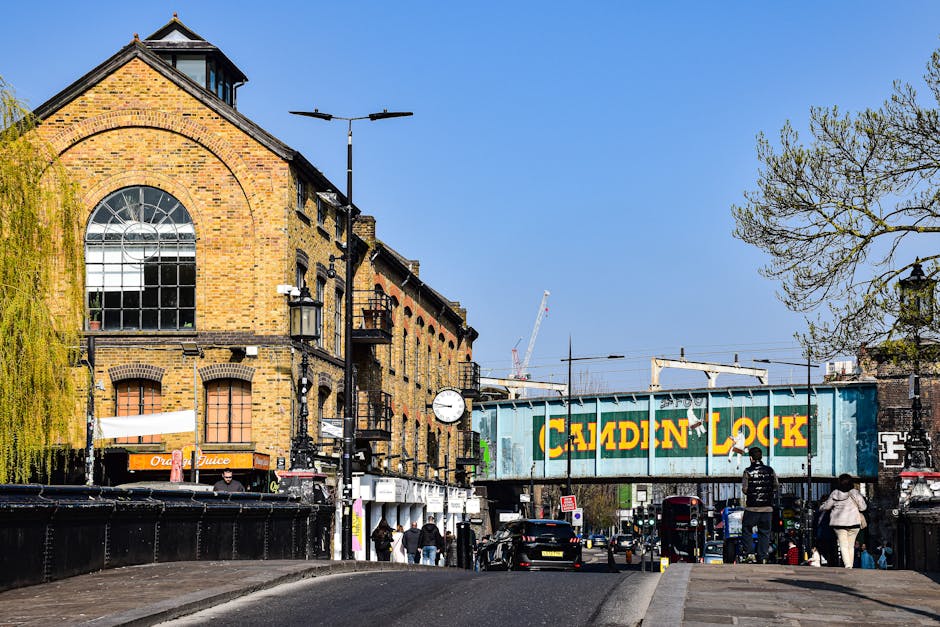
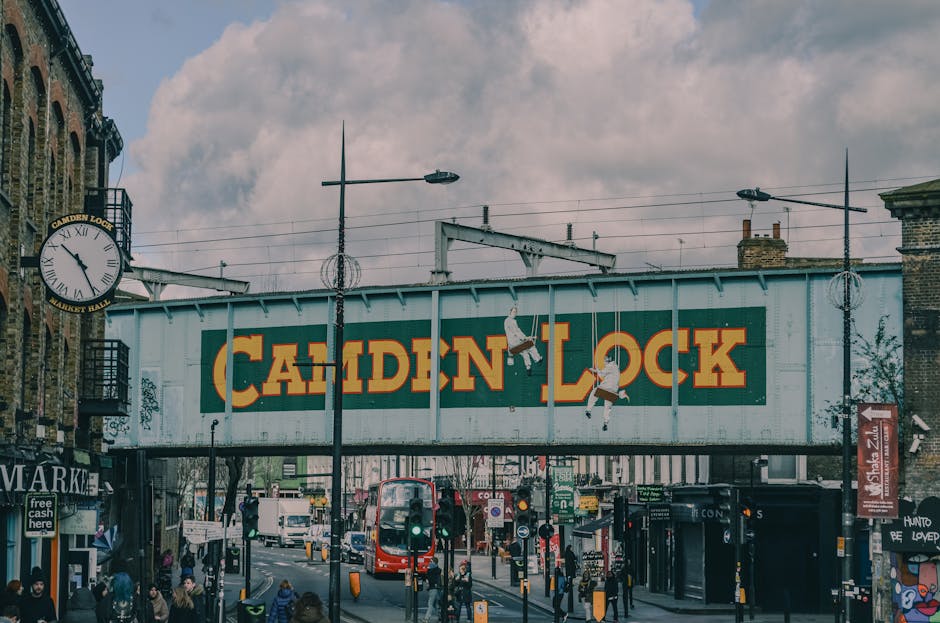
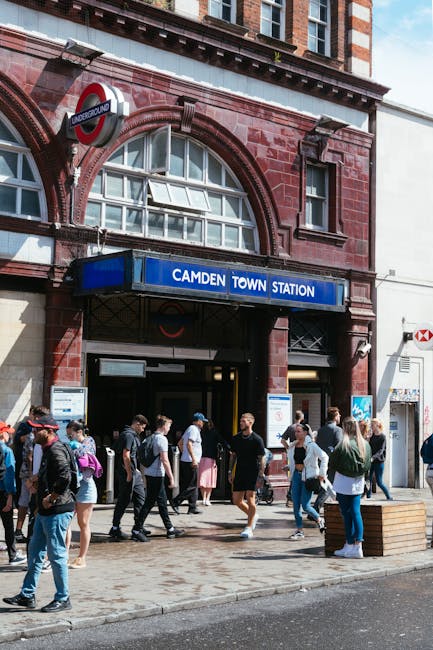
Camden Town is a district in north London best known for its position around the Regent’s Canal, its busy High Street and its long association with markets, music and alternative culture. The area developed rapidly in the late eighteenth and nineteenth centuries after the arrival of the Regent’s Canal and the growth of transport links that tied it into the wider city. Camden Lock remains one of its most recognisable features, and the surrounding streets still show the mix of industrial heritage, redevelopment and everyday urban life that has shaped the district over time. The railway corridor, canal-side paths and compact street pattern give Camden Town a strong sense of movement and connection, while nearby green spaces such as Regent’s Park and Primrose Hill sit within easy reach of the district’s denser core. The area is also notable for its varied architecture, from older terraces and former warehouse buildings to later commercial frontages and contemporary developments. Cultural life remains a major part of its identity, with venues, markets and independent shops contributing to a lively streetscape that changes through the day. Although Camden Town is now closely associated with visitors as well as residents, it remains a working part of inner London with a layered history, prominent public transport links and a distinctive urban character.
Service options for different move sizes

Not every move needs the same level of support, which is why it helps to separate the main service into clear options. A small load may only need transport and loading, while a more involved job may benefit from packing assistance, dismantling or careful placement at the destination. We keep the scope flexible so the work can match the amount of help you actually want. That can be particularly useful when you are moving out of a flat, shifting stock between sites or collecting multiple items from different places.
If you are still weighing up the best approach, it may help to think about what would make the job most efficient without adding unnecessary complexity. Some moves are best handled as a simple one-vehicle solution; others are better planned with a little extra preparation and a longer loading window. For broader domestic support, our removal services page gives a wider view of the types of work available. The main point is to choose the level of help that fits the task, not the other way round.
When you are ready to request a quotation, give as much practical detail as you can in one go, including the item types, collection and delivery points, and anything that may affect access. That does not need to be a long message. A concise description is usually enough to start a useful conversation. Request a quote here when you want to move from planning to booking.
Helpful extras and important details
Some jobs benefit from extra services around the move itself, especially when items need wrapping, sorting or handling in a particular order. Packing and unpacking can make a difference when you want to protect breakables or reduce the time spent on handover at either end. If that kind of support would help, see our packing and unpacking services and decide whether it is worth including alongside the transport work. The same is true for mixed loads where household and business items are travelling together.
There are also practical considerations that can shape the best way to carry out the job. Building rules, parking limits, lift use and loading bay access can all affect how the day runs. If you know about any restrictions, mention them early so the plan can be adjusted properly. For customers who want reassurance about handling standards and site care, our insurance and safety page sets out the general approach we take to safety and caution during removals and transport.
For some customers, price is the final deciding factor; for others, it is the confidence that the work will be managed sensibly from start to finish. Either way, the best quotation is based on clear facts rather than guesswork. If you are comparing options, think about the full job rather than only the van itself, because loading time, access and item type all matter. A careful brief usually leads to a better match between the service and the move.